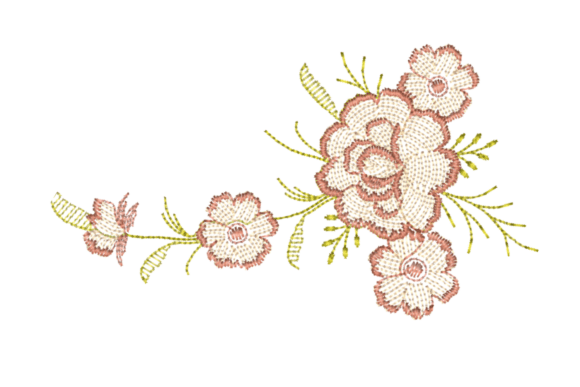
Elegant Stitching: The Flowers and Leaves Embroidery Design
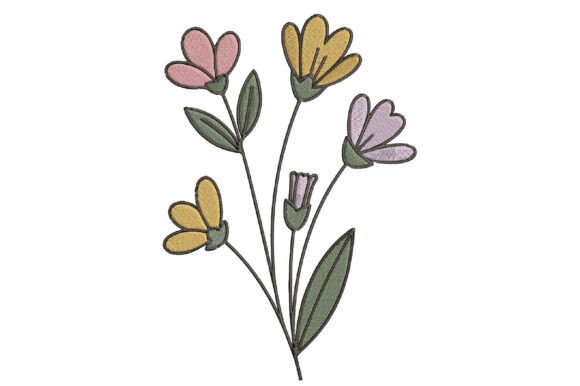
When you are working on a textile project, the quality of the imagery defines the final product. The Flowers and Leaves Embroidery Design offers a specific aesthetic that bridges the gap between traditional needlework and contemporary style. It is not just a random collection of stitches; it is a deliberate arrangement of delicate blooms intertwined with soft, flowing foliage. This combination creates a natural, organic rhythm that feels fresh and balanced. Whether you are a hobbyist working on a personal gift or a small business owner producing boutique items, understanding how to utilize this design can elevate your work significantly.
The Visual Harmony of Floral and Foliage
What makes this specific embroidery design stand out is its textural interplay. In the world of embroidery, depth is everything. The Flowers and Leaves Embroidery Design manages to create a sense of depth without becoming overly cluttered. The floral elements often act as the focal points—providing the "pop" of interest—while the leaves and stems serve as the connective tissue that guides the eye across the fabric. This balance is crucial. If a design is too dense, it can pucker the fabric and feel heavy. If it is too sparse, it lacks impact. This particular design hits a middle ground that works beautifully on a variety of weights, from crisp cotton to heavier canvas.
The personality of this design leans towards elegance without being pretentious. It avoids the overly "cutesy" look of some cartoonish patterns, opting instead for a sophisticated botanical illustration feel. This makes it incredibly versatile. You could easily imagine this pattern on a high-end linen napkin, but it would look just as appropriate embroidered onto the pocket of a denim jacket. It speaks a visual language of nature, growth, and attention to detail, which resonates well with audiences who appreciate craftsmanship.
Practical Applications for Modern Creators
For designers and entrepreneurs, the utility of a design is just as important as its beauty. The Flowers and Leaves Embroidery Design is a workhorse for various commercial and personal applications. In the realm of apparel, it is perfect for adding a signature touch to shirts and dresses. Instead of a plain neckline or cuff, this design adds a custom, boutique-style finish that suggests higher value. For home decor, think beyond the standard wall hanging. Consider how this design could elevate table linens, cushion covers, or even tote bags. A simple canvas tote becomes a stylish accessory when adorned with this floral motif.
From a branding perspective, this design is a valuable design asset. If you are running a lifestyle brand, a wellness company, or a creative studio, incorporating this embroidery into your physical products or marketing materials can strengthen your brand identity. It communicates a sense of organic quality and care. Unlike digital graphics that can sometimes feel cold or sterile, the texture of embroidery brings warmth. Using this design on uniforms, merchandise, or packaging inserts can create a memorable tactile experience for your customers.
Integrating Embroidery into Your Design Workflow
When working with digital files for embroidery, the "stitchability" of the file is paramount. A common frustration in the industry is designs that look good on screen but result in excessive thread breaks or bird-nesting during the stitching process. The Flowers and Leaves Embroidery Design is noted for its smooth stitching performance. The digitization process has been optimized to minimize jump stitches and ensure clean outlines. This technical reliability is essential for production environments where time is money, but it is equally important for hobbyists who want a frustration-free experience.
For those involved in editorial design or content creation, the aesthetic of this embroidery can also be translated into digital formats. You might digitize the design to create unique social media graphics or use the motif as inspiration for your web design elements. However, its primary strength lies in physical execution. When evaluating if this design fits your project, consider the scale. The detail in the leaves and petals requires enough space to be legible. Shrinking it down too small might cause the threads to merge, so always test sew a sample at your intended size before committing to the final product.
Strategic Considerations for Project Success
Choosing the right design is only half the battle; execution matters just as much. When selecting the Flowers and Leaves Embroidery Design, pay close attention to your fabric choice and thread colors. While the design is versatile, high-contrast combinations will make the details pop, whereas tone-on-tone monochromatic schemes create a subtle, textured look that feels very high-end. For example, using a slightly darker shade of green for the leaves against a lighter green fabric creates a shadow effect that adds realism.
It is also worth considering the file formats and licensing. Ensure that the design file is compatible with your specific embroidery machine brand (such as Brother, Janome, or Bernina). Most professional-grade designs come in multiple formats (like PES, DST, JEF, etc.). Furthermore, if you intend to sell the finished items—whether they are embroidered tote bags or custom linens—you need to ensure you have the correct commercial font or design licensing. Generally, standard embroidery design licenses allow for selling finished products, but selling the digital file itself is usually prohibited. Always read the terms to protect your business.
Ultimately, the Flowers and Leaves Embroidery Design is more than just a pattern; it is a tool for storytelling. It allows you to inject a sense of nature and handcrafted quality into your projects. Whether you are a seasoned digitizer looking for a reliable floral motif or a crafter wanting to make a special gift, this design offers the visual appeal and technical performance needed to achieve professional results. By focusing on the harmony of the elements and paying attention to your material choices, you can turn a simple piece of fabric into a work of art.