Moon Font: A Futuristic Sans Serif for Modern Design
When you first see Moon, it hits you with a distinct sense of the future. It’s a premium font that doesn’t just sit quietly on the page; it makes a statement. This isn’t your standard, everyday sans serif font built for dense paragraphs of body copy. Instead, Moon is a display font with personality—a cool, sleek, and geometric typeface designed to grab attention. If you’re tired of using the same old Helvetica or Arial for your logo design and headers, Moon offers a fresh alternative that feels both contemporary and slightly retro-futuristic.
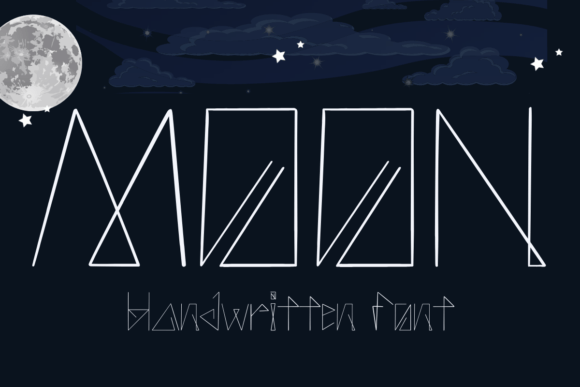
The visual appeal of Moon lies in its rounded geometry and clean lines. It has a softness to it, thanks to its circular letterforms, but it maintains a technical precision that keeps it from looking childish. Think of the typography you see in sci-fi interfaces, tech startups, or high-end streetwear brands—that’s the vibe Moon brings to the table. It manages to be bold without being aggressive, making it an incredibly versatile creative font for a wide range of applications. Whether you are a graphic designer working on a client project or a small business owner trying to establish a unique brand identity, understanding how to leverage this typeface can significantly elevate your visual communication.
Understanding the Personality of Moon
To use Moon effectively, you need to understand its personality. It is unapologetically modern. If you are working on a project that requires a traditional, historic, or organic feel—like a law firm’s letterhead or a rustic bakery menu—Moon is probably not the right fit. You would likely reach for a serif font or a handwritten font for those projects. However, if your goal is to communicate innovation, fun, style, or futurism, Moon is an excellent choice.
It works exceptionally well in the tech and entertainment sectors. Imagine a poster for a music festival, the header for a gaming blog, or the interface of a new mobile app. Moon fits seamlessly into these environments because its aesthetic aligns with what we subconsciously associate with "the new." It avoids the coldness of some industrial sans serifs while steering clear of the whimsical nature of a script font. It strikes a balance that makes it feel approachable yet sophisticated.
One of the strongest characteristics of Moon is its ability to function as a standalone hero. Because it has such a distinct character, you don’t always need complex graphic elements to make it shine. A simple layout with a bold headline set in Moon can often be more effective than a cluttered design. It brings its own energy to the composition, allowing you to keep your layouts minimal while still feeling dynamic.
Where Moon Shines: Practical Applications
Knowing a font looks cool is one thing; knowing where to use it is another. As a modern typography choice, Moon is incredibly adaptable across different media, both digital and print. Here is a breakdown of where this typeface truly excels and how you can integrate it into your workflow.
Digital Design and Web Presence
In web design, hierarchy is everything. You need users to know where to look first. Moon is an outstanding choice for H1 and H2 headers on websites. Its high legibility at larger sizes ensures that your main value proposition is read immediately. It pairs beautifully with minimalistic UI elements. If you are running a tech blog, a fashion e-commerce store, or a portfolio site for a creative agency, using Moon for your navigation and headlines can instantly modernize the user experience.
Furthermore, social media graphics are often viewed on small, high-resolution screens. Fonts with tight kerning or overly thin strokes can get lost on a smartphone. Moon’s sturdy construction ensures it pops on Instagram stories, TikTok overlays, and LinkedIn banners. It is particularly effective for quote graphics or announcement posts where the text is the design. Because it is a commercial font, using it ensures your social feed looks professional and proprietary, unlike accounts that rely on overused system fonts.
Branding and Marketing Materials
For logo design, Moon offers a strong foundation. Because of its geometric nature, it is easy to manipulate. You can adjust the kerning, stack words, or integrate icons without the typography looking disjointed. It is a favorite among entrepreneurs in the streetwear, sneaker, and urban lifestyle spaces because it conveys a sense of "cool" that is hard to replicate with standard fonts.
Think about your packaging design. If you are launching a product that needs to stand out on a shelf or in a digital marketplace, the label is your first impression. Moon can give a product a sleek, premium feel. It works well on cosmetics, tech gadgets, or beverage cans. Similarly, for editorial design, such as magazine covers or book titles, Moon commands attention. It tells the reader that the content inside is relevant, current, and engaging.
Don't overlook flyers and event invitations. Whether it's a digital invite for a webinar or a printed flyer for a local market, Moon helps bridge the gap between professional and playful. It suggests that the event will be well-organized and worth attending.
Strategic Implementation: Pairing and Readability
While Moon is a fantastic display font, it is generally not recommended for long-form body text. Its geometric shapes, while beautiful, can be tiring to read in small sizes over several paragraphs. This is where the art of font pairing comes into play.
To create a balanced visual hierarchy, pair Moon with a highly legible body font. A classic approach is to pair this futuristic sans serif with a traditional serif font. The contrast between the geometric Moon and the organic strokes of a serif creates a sophisticated tension that looks very professional. Alternatively, pairing it with a clean, humanist sans serif can create a cohesive, ultra-modern look.
When testing your pairings, pay close attention to x-heights and weight. You want the fonts to feel like they belong to the same family, even if they look different. Moon often comes in various weights—sometimes light, regular, and bold. Using these variations allows you to create hierarchy without introducing a second typeface, keeping your brand identity tight and focused.
Evaluating Fit and Licensing
Before fully committing to Moon for a major campaign, it is always wise to test it. Type out the specific words you plan to use. Some fonts have specific letter combinations that look awkward depending on the word. Check the spacing between letters. Does the font need manual kerning adjustments to look perfect? In professional design, these details matter.
Also, consider the technical aspects. Since this is a premium font, you need to ensure you have the correct licensing for your specific use case. If you are using it for a client’s logo, you need to ensure the license covers commercial use and logo embedding. If you are using it for a website, check if the web-font license is included or if it needs to be purchased separately. Respecting licensing not only keeps you legal but supports the type designers who create these design assets.
Elevating Your Projects with Moon
Ultimately, the tools we choose define the work we produce. Using a typeface like Moon signals that you care about aesthetics and that you are paying attention to current design trends. It moves your projects away from the "default" settings and into the realm of intentional design.
For the content creator or blogger, it can be the difference between a header that gets scrolled past and one that stops the thumb. For the marketer, it can be the visual hook that increases click-through rates. For the crafting hobbyist, it adds a professional polish to digital prints or stickers.
Moon is more than just a collection of vectors; it is a tool for expression. It is a cool and futuristic sans serif font that, when used with intention, can transform a standard layout into something memorable. Whether you are redesigning a website, launching a new product, or simply creating a social post, consider how Moon’s unique geometry and modern appeal can help you tell your story more effectively. It is a worthy addition to any designer's toolkit, offering a blend of style and function that is hard to beat in the current digital landscape.