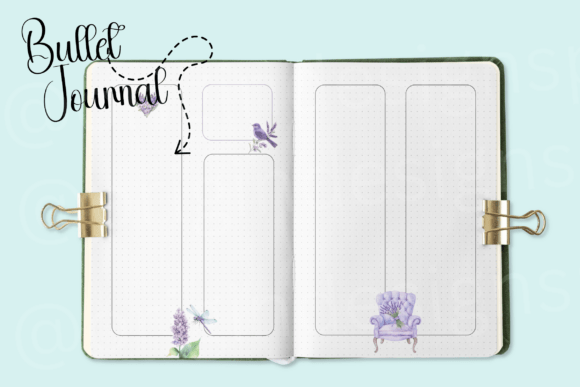
Bring the Lavender Field Home: A Bullet Journal Haven
There's a certain quiet magic in a lavender field. It's the gentle sway of purple, the calming scent that seems to quiet the mind, the feeling of finding a personal sanctuary. What if you could capture that essence not just in a memory, but in a daily practice? This is where the concept of a bullet journal transforms from a simple organizational tool into your personal haven. It’s more than just pages; it’s a dedicated space designed to follow you from a sun-dappled garden nook to your coziest reading chair, helping you cultivate mindfulness and nurture your inner peace.
The Anatomy of a Serene Planning Space
Forget rigid, corporate planners. This approach to journaling is fundamentally about creating a personalized space that reflects your inner landscape. Visually, it often embraces a soft, organic aesthetic. Think muted lavenders, sage greens, and creamy off-whites—colors that don’t shout but rather whisper. The style leans into a gentle, handwritten font feel, where the act of writing itself is meditative. It’s not about perfect letterforms but about authentic expression. The personality is calm, introspective, and deeply personal. It’s a creative font for life planning, where tracking habits, jotting down fleeting inspirations, or sketching out dreams feels less like a chore and more like a conversation with yourself.
More Than Aesthetics: Building Your Visual Hierarchy
The true power of this system lies in how it uses modern typography principles intuitively. You’re not just writing a to-do list; you’re designing a page that guides your eye and your focus. A bold header for the month, a slightly different script for a quote that inspires you, and a clean, legible body for your daily tasks—this is how you build a visual hierarchy that works for you. This thoughtful use of varying weights and styles within your journal directly influences readability and helps organize your thoughts visually. It’s a practical application of typeface selection that prioritizes personal clarity over external design trends.
From Personal Sanctuary to Professional Asset
While this journal is your private retreat, the principles it embodies are incredibly valuable in professional creative work. The same attention to brand identity you use to curate your journal’s look is what a designer applies to a client’s project. The calming, trustworthy vibe of a lavender-inspired palette and a serif font with soft edges could inform the logo design for a wellness brand, a spa, or a boutique hotel. The font pairing of a delicate script font with a sturdy sans serif font you might use for headers and notes in your journal is a classic strategy in editorial design and packaging design.
Consider how this aesthetic translates across mediums. For web design, it suggests a user experience that feels calm and navigable. For social media graphics, it creates a cohesive, recognizable feed that stands out in a noisy digital space. A premium font that captures this handwritten, organic quality becomes a versatile design asset. It’s a display font that can bring personality to a menu, a book title, or a product label, while still being legible enough for shorter passages of text. Its strength isn’t in being a universal workhorse like a classic serif font for long-form reading, but in its ability to inject soul and a specific mood into a project, significantly impacting brand perception and audience engagement.
Practical Guidance for Choosing Your Tools
Whether you’re selecting a journal for personal use or a typeface for a commercial project, the evaluation process shares core similarities. Here’s how to approach it:
- Evaluate Project Fit: Is the goal to create a sense of calm, creativity, and personal connection? Then this journal or a similar creative font is a strong candidate. For a corporate financial report, it might not be the right tool.
- Test Pairings and Styles: In your journal, try pairing a decorative header style with a simpler, more legible script for body text. In design, use a font preview tool to see how a display font pairs with a neutral sans serif font. Look for contrast in weight and style that creates harmony, not competition.
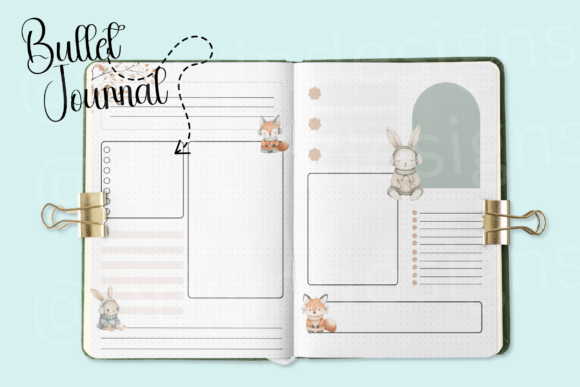
- Review the Full Offering: A good digital journal template (like this 20-page A5 layout) or a commercial font family will often include multiple styles—regular, bold, italic, and sometimes alternate characters. Review these to understand the full range of expression available.
- Prioritize Readability: The most beautiful script is useless if you can’t read your own grocery list. Test it at the size you’ll actually use. In professional design, this means checking how a font renders on screens versus in print.
- Understand the License: This is critical. A digital product like this journal is licensed for specific uses. You are allowed to sell the printed (hard copies) and can upload to dropshipping sites like Amazon KDP, Printful, or Gelato, provided customers only receive the physical product. However, you cannot sell or distribute the digital file itself. This distinction between owning a physical product and owning digital intellectual property is fundamental in the print business and for any content creator or small business owner.
Ultimately, whether you’re filling the pages of your own bullet journal or applying its aesthetic principles to a client’s brand identity, the goal is the same: to create a space that feels authentic, organized, and inspiring. It’s about bringing that serene, lavender-field feeling into your daily routine, transforming planning from a task into a delightful escape. This isn’t just about tracking; it’s about cultivating a practice that nurtures your best work and your most peaceful self.