Home Sweet Home: Crafting a Cozier Brand Identity
There is a specific feeling you get when you walk into a room that has been curated with care. It’s the warmth of a textured throw blanket, the soft glow of ambient lighting, and the visual comfort of familiar patterns. In the world of design and branding, capturing that feeling of domestic warmth is a powerful strategy. We often focus on high-energy, loud aesthetics to grab attention, but there is an equally compelling market for brands that whisper rather than shout. This is where the concept of "Home Sweet Home" takes center stage, not just as a sentiment, but as a comprehensive design strategy that prioritizes approachability, nostalgia, and comfort.
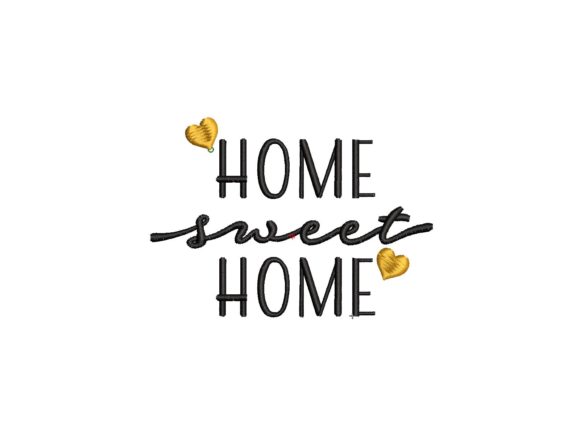
When we talk about achieving this aesthetic in branding and product design, we aren't just discussing color palettes. We are talking about the typography that acts as the voice of your visual identity. A typeface like Home Sweet Home isn't merely a collection of glyphs; it is a design asset that carries a specific personality. It leans into the style of a handwritten font or a script font, characterized by fluid strokes and a human touch that mechanical sans serif fonts often lack. This type of creative font bridges the gap between professional polish and personal intimacy. It suggests that a human being is behind the brand, crafting the message with the same care one might use to embroider a towel or bake a loaf of bread.
The Anatomy of Comfort: Visual Characteristics and Style
To effectively utilize a premium font like this, you first need to understand its visual weight and texture. Home Sweet Home typically features soft edges and a rhythm that mimics natural handwriting. Unlike a rigid serif font used for academic papers, or a stark modern typography style used for tech startups, this font family embraces imperfection. It is the typographic equivalent of a hand-knitted sweater.
The visual appeal lies in its versatility. It can range from a whimsical, bouncing baseline to a more structured, elegant cursive depending on the specific style included in the package. This flexibility allows it to adapt to different brand personalities. For a children’s boutique, it can look playful and innocent. For a high-end artisanal bakery, the same typeface can look rustic and authentic. The key characteristic is that it never feels cold. It always maintains a level of warmth that invites the viewer to linger, making it an ideal choice for brand identity work where emotional connection is the primary goal.
Strategic Applications: From Embroidery to Digital Presence
While the name suggests a domestic setting, the application of a font like Home Sweet Home extends far beyond the living room. In fact, one of the most practical uses for this specific design is in the realm of physical product decoration, such as embroidery. The flowing nature of the letterforms translates beautifully to thread work. Whether you are adding a monogram to a kitchen towel, personalizing a throw pillow, or creating custom merchandise, this font provides the legibility and flair needed for textile work.
However, the utility of this commercial font is vast in the digital and print spaces as well. Consider the following scenarios where this style excels:
- Packaging Design: For artisanal goods, candles, or skincare products, using a script font like this on the label immediately signals "handmade" and "natural." It contrasts beautifully against a clean sans serif font used for the ingredient list.
- Logo Design: A wordmark logo using Home Sweet Home can instantly communicate a brand's values. It works exceptionally well for wedding planners, interior designers, and lifestyle bloggers who want to project an image of curated elegance.
- Social Media Graphics: In the fast-paced world of Instagram and Pinterest, a handwritten font stops the scroll. It feels personal, like a note from a friend, which increases engagement and makes quotes or announcements feel more intimate.
- Editorial Design: While not suitable for body text, it makes a stunning choice for pull quotes, drop caps, or section headers in magazines and blogs. It breaks up the monotony of standard body copy and adds a touch of personality to the layout.
Mastering the Mix: Font Pairing and Hierarchy
The true power of a display font like Home Sweet Home is unlocked when you pair it correctly. Because it is expressive and stylistic, it needs a grounding element. If you use a script font for everything, the design becomes chaotic and unreadable. The most effective strategy is to use Home Sweet Home for headlines, titles, or specific call-outs, and pair it with a neutral, geometric sans serif font for the body text.
This contrast creates a clear visual hierarchy. The eye is drawn to the expressive, emotional header first, and then flows naturally into the clean, legible paragraph text. For example, imagine a menu for a café. The section headers ("Breakfast," "Desserts") could be in Home Sweet Home, while the dish descriptions are in a clean font like Montserrat or Open Sans. This pairing balances personality with functionality. It ensures that your design looks professional while retaining that crucial "cozy" factor.
Practical Guidance for Designers and Entrepreneurs
If you are a designer, marketer, or small business owner looking to integrate this style into your toolkit, there are a few practical considerations to keep in mind. First, evaluate the specific file formats included with the asset. A robust commercial font package should include vector files, OTF, and TTF formats to ensure compatibility across different software, from Adobe Illustrator to Canva.
Second, consider the licensing. Since you might be using this for logo design or merchandise (like the embroidery mentioned earlier), you need to ensure the license covers commercial use. Most premium font foundries offer clear licensing tiers, but it is always your responsibility to check.
Finally, test the font in context. Don't just look at the letters in isolation. Type out the actual headlines you plan to use. Check the kerning (the space between letters) and the legibility at smaller sizes. While Home Sweet Home is designed for display purposes, it should still be readable at a glance. Look at how the letters connect—does the flow feel natural? Does it support the message you are trying to convey?
In a market saturated with cold, corporate aesthetics, choosing a design asset that embodies warmth and humanity can be a strategic differentiator. Whether you are designing a wedding invitation, branding a new cozy café, or creating a line of home goods, a typeface like Home Sweet Home provides the tools to make your audience feel right at home.