Crafting Memories: A Guide to Building a 3D Shadow Box
There is a specific kind of magic in objects that hold depth, quite literally. A flat photograph captures a moment, but a three-dimensional diorama captures a feeling, a memory, or a narrative. This is the core appeal of Building a 3D Shadow Box, a craft that transforms simple materials into captivating, layered scenes. Far more than a simple papercraft, a shadow box is a miniature stage where you control the lighting, the layers, and the story. It’s a project that balances technical precision with creative expression, resulting in a piece of art that feels both personal and professionally polished. Whether you are a seasoned crafter looking for a new medium or a complete beginner drawn to its tactile charm, this guide will walk you through the process, turning a concept into a tangible, impactful gift.
The Anatomy of Impact: What Makes a Shadow Box Special?
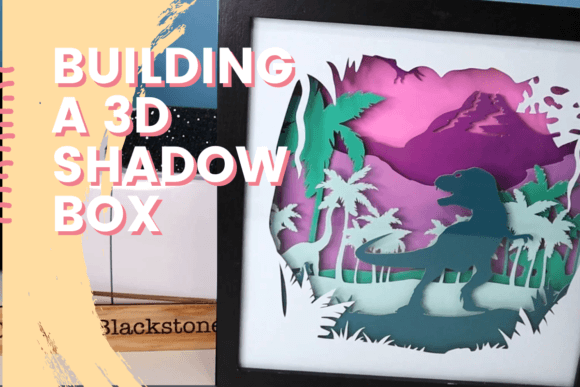
At its heart, a 3D shadow box is a study in visual hierarchy and spatial storytelling. Its personality is defined by its layered construction. Each cut-out element is placed at a different depth within a frame, creating real shadows that shift with the light in the room. This isn't a static image; it's a dynamic piece that changes throughout the day. The style can range from whimsical and cute—think a woodland scene with a little fox—to elegantly minimalist, like a geometric cityscape or a floral monogram. The overall appeal lies in this combination of simplicity and depth. The materials are often humble—cardstock, adhesive, a frame—yet the final product has the weight and presence of a gallery piece. It’s a craft that feels substantial, a true design asset for your home or a heartfelt, handmade present.
From Template to Treasure: Your Step-by-Step Creation
Talented crafter Corinne Blackstone demystifies the process, breaking it down into manageable, satisfying steps. The journey begins with a crucial foundation: sizing your design for your box. This is where your project’s success is determined. You’ll learn to assess the dimensions of your frame and scale your chosen template accordingly, ensuring every element fits perfectly without feeling cramped or lost. Corinne’s method emphasizes precision, turning what could be a guessing game into a confident, calculated process.
Next comes the cutting phase. Using a sharp craft knife and a steady hand (or a cutting machine for ultimate precision), you’ll bring your design to life from sheets of cardstock. The class includes a downloadable shadow box template, providing a perfect starting point. This template acts like a premier font for papercraft—a foundational design asset that you can use as-is or adapt to create something uniquely yours. You’ll cut multiple copies of certain elements to build up layers, a technique that adds incredible dimension and shadow play.
Assembly is where the magic truly happens. Using foam adhesive squares or strips of varying thicknesses, you’ll build your scene from the background forward. This deliberate spacing is what creates the breathtaking depth. Corinne guides you on how to create a strong visual hierarchy, placing key focal points at the front and supporting details receding into the background. The final step is placing your assembled masterpiece into the frame, securing it, and then taking a moment to enjoy the interplay of light and shadow you’ve just created. The result is a cohesive, professional-looking piece that tells a complete story at a glance.
Beyond the Craft Table: The Professional Appeal of Layered Design
The principles at work in Building a 3D Shadow Box extend far beyond a hobbyist’s project. They are the same principles that guide effective visual hierarchy in web design, editorial design, and brand identity. Consider how a well-designed website uses size, color, and placement to guide your eye. A shadow box does this with physical layers. This craft teaches you to think in three dimensions, a skill that translates directly to creating more engaging social media graphics, more intuitive user interfaces, and more memorable packaging design.
For the entrepreneur or small business owner, the applications are particularly compelling. Imagine creating custom shadow boxes as unique product displays, as awards for your team, or as one-of-a-kind gifts for top clients. The handmade, thoughtful nature of a shadow box communicates a level of care and attention to detail that mass-produced items cannot. It becomes a powerful part of your brand identity, showcasing creativity, patience, and a commitment to quality. Similarly, for content creators and bloggers, a physical, handcrafted element can add a unique, authentic touch to video backgrounds or flat-lay photography, setting your visual content apart in a crowded digital space.
Choosing Your Design Elements: A Practical Guide
Just as you would carefully select a creative font for a logo or a sans serif font for body text, choosing your shadow box design requires thoughtful evaluation. First, consider the recipient or the final destination. A shadow box for a nursery might feature soft colors and friendly animals, while one for a home office could be a more abstract, sophisticated design. The “personality” of the project should match its context.
Testing is key. Before committing to your final cardstock, do a test cut of a small, intricate section. This is your chance to evaluate the material’s performance, much like testing a script font for readability at a small size. Does the cardstock hold fine details? Does the color complement the layers behind it? Review the font pairing—or in this case, the element pairing—of your template. Does the foreground silhouette work harmoniously with the detailed background? Are the layers distinct enough to create clear shadows, or will they blend together?
Finally, think about consistency and professionalism. If you are creating a series of shadow boxes, perhaps as part of a product line or for a gallery wall, maintain a consistent style. Use the same frame style, a cohesive color palette, and a similar level of detail. This consistency builds recognition and elevates the work from a collection of individual crafts to a curated, professional body of work. The template provided in Corinne’s class is an excellent starting point, but the real value lies in learning the process so you can adapt and create your own modern typography-inspired designs or intricate scenes, making each shadow box a true original.
The joy of Building a 3D Shadow Box is in the making and the giving. It’s a hands-on lesson in design thinking, a meditative practice, and a way to create something of lasting beauty and sentimental value. It’s a reminder that the most impactful gifts are often those crafted with intention, layer by careful layer.