Mastering the Studio Graphics Panel: A Creator's Guide
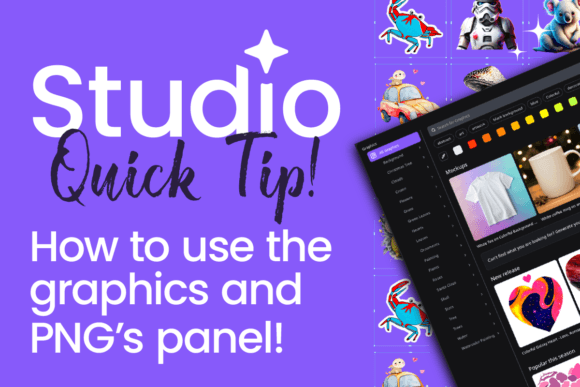
There's a moment in every creative project when you hit a wall. You have the perfect photo, the right words, but the design feels flat. That's where the Studio graphics panel comes in, and knowing how to use it efficiently is the difference between a good project and a great one. This isn't just a collection of buttons; it's your command center for visual storytelling. Let's break down how to move beyond basic dragging and dropping to truly harness its power.
Understanding the Panel's Core Personality
Think of the Studio graphics panel not as a static toolbox, but as a dynamic creative partner. Its personality is one of organized flexibility. The visual characteristics are clean and modern, designed to get out of your way so your ideas can take center stage. The overall appeal lies in its balance—it offers depth for the professional designer while remaining approachable for the passionate hobbyist. The style is inherently versatile, supporting everything from minimalist social media graphics to complex editorial design layouts.
This tool shines because it understands modern typography and visual hierarchy. It’s not just about placing a PNG; it’s about integrating a premium font with a graphic element to create a cohesive brand identity. The panel treats every asset, whether a script font or a geometric shape, as a building block for your larger narrative.
Where This Creative Powerhouse Fits Best
The true strength of the Studio graphics panel is its cross-disciplinary application. It’s the Swiss Army knife for your digital and print needs. For entrepreneurs and small business owners, it’s invaluable for creating consistent packaging design and marketing materials that look professional without the agency price tag. Bloggers and content creators can use it to develop a signature style for their social media graphics, making their feed instantly recognizable.
Consider its role in web design. A well-chosen sans serif font from the panel can ensure readability on screen, while a bold display font for headings can capture attention. For crafters and hobbyists, the ability to mix a handwritten font with delicate PNG elements opens up a world of possibilities for custom invitations, labels, and personal projects. The panel is equally at home in high-stakes commercial projects, supporting the creation of a full logo design system or a cohesive editorial design for a magazine.
Practical Steps for Efficient Workflow
Efficiency is about smart habits. Start by organizing your most-used design assets into custom folders within the panel. This saves minutes that add up to hours over a project's lifespan. When evaluating a new typeface, don't just look at the letters. Test it in context. How does your chosen serif font pair with a clean sans serif for body copy? Does the weight of the creative font hold up at both large and small sizes?
Here’s a quick checklist to use before you finalize any design:
- Font Pairing Test: Does the combination create clear visual hierarchy, or is it fighting for attention?
- Readability Check: Zoom out to 50% on your screen. Can you still read the key message? Print a small test copy. How does the ink sit on the page?
- Style Consistency: Are you using the same modern typography rules across all your materials? Consistency builds recognition and trust.
- Licensing Review: For any commercial font or graphic, always confirm the license covers your intended use, especially for products for sale or large-scale distribution.
Elevating Your Brand Through Intentional Choices
Every choice you make in the Studio graphics panel sends a message. A bold, geometric sans serif font conveys stability and modernity, perfect for a tech startup. An elegant script font suggests creativity and personal touch, ideal for a boutique or wedding brand. The graphics you select—their style, color, and complexity—work in concert with your typography to build a complete brand identity.
This is where you move from making things look pretty to making them effective. A carefully curated set of graphics and fonts becomes a library of design assets that streamline your process and ensure every piece of content, from a blog post graphic to a product label, feels like it came from the same thoughtful creator. The panel doesn't just give you tools; it gives you the means to build a visual language.
Real-World Application: A Mini Case Study
Imagine a local bakery owner. Their goal is to feel artisanal yet reliable. Using the Studio graphics panel, they might choose a warm, slightly textured serif font for their logo to convey tradition. For menu boards and Instagram posts, they pair it with a clean, legible sans serif font for details. Their PNG graphics might include hand-drawn flourishes and vintage-style illustrations. By testing this combination, they find the serif headings are charming but the sans serif body text is far easier to read on a phone screen. They adjust, creating a system that is both beautiful and functional. This intentional process is the essence of using the panel efficiently.
Mastering the Studio graphics panel is a journey of experimentation. It’s about understanding that a premium font is more than just a pretty face—it’s a workhorse for your message. It’s knowing that the right PNG can add depth and personality that stock photos can’t. Start by playing. Combine a bold display font with a subtle pattern. See how a handwritten font changes the feel of a quotation. Your unique creative voice is found in these combinations. The panel is your studio; now go make something only you can make.