Ice Tie-Dyeing for Beginners: A Designer's Guide to Organic Patterns
Understanding the Aesthetic of the Melt
In the world of textile design, we are constantly searching for that perfect balance between control and chaos. Ice tie-dyeing represents a significant shift from the traditional spiral techniques many of us grew up with. It isn't just about dyeing fabric; it is about manipulating chemistry and temperature to create something that feels alive. As taught by acclaimed textile designer Catherine Ruhl, this method relies on the slow melt of ice to disperse dye powder. Unlike traditional liquid dyeing where you submerge the fabric, here the melting water is the vehicle, creating a visual texture that is distinctively organic and unpredictable.
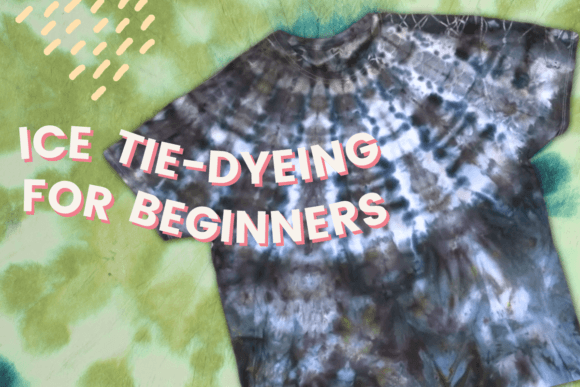
The visual characteristics of ice dyeing are what make it a standout choice for modern creatives. We are looking at a style that produces subtle gradients, marbled effects, and a depth of color that liquid dye often struggles to achieve. Because the dye reacts with the fabric as the ice melts, the colors split and separate, revealing underlying pigments that you might not have expected. This creates a "watercolor" effect on the textile. It possesses a personality that is earthy, natural, and deeply artistic. It moves away from the harsh lines of graphic design and embraces the fluidity of nature. For designers and creators, this offers a raw, premium aesthetic that feels handmade yet sophisticated.
The Strategic Application in Branding and Design
When we talk about applying this style to real-world projects, the applications are vast. In the realm of logo design and brand identity, the textures created by ice dyeing can serve as powerful background elements. They provide a layer of authenticity that stock photography cannot replicate. For a brand looking to convey eco-consciousness, creativity, or a relaxed lifestyle, these textures become a core part of the visual language. Imagine a packaging design for a skincare line or a boutique coffee roaster; the irregular, hand-crafted nature of the dye pattern immediately communicates value and care.
Beyond physical goods, the digital space benefits immensely from this technique. Web design and social media graphics often suffer from sterility. Incorporating high-resolution scans of ice-dyed fabric can break up rigid grids and add warmth to a digital interface. For editorial design, such as magazine covers or blog headers, these patterns offer a unique backdrop that allows typography to pop without looking cluttered. It works exceptionally well for lifestyle brands, wellness apps, and fashion lookbooks. The technique translates beautifully into packaging design as well, where the uniqueness of the dye job can make a product stand out on a crowded shelf. Each piece created through Catherine Ruhl’s method is unique, which aligns perfectly with the modern consumer's desire for individuality.
Navigating the "Typography" of Texture
While we often discuss font pairing and typeface selection in design, it is helpful to view texture as a form of typography. In design theory, everything communicates. Just as a sans serif font conveys modernity and a serif font conveys tradition, the texture of your materials speaks volumes. Ice dyeing acts as a visual voice that speaks of process and patience. It is a creative font in the sense that it draws the eye and sets a mood before a single word is read.
When incorporating these designs, you must consider visual hierarchy. The complexity of the ice dye pattern can be busy. Therefore, pairing these rich textures with clean, legible typography is crucial. A bold, geometric display font often sits well against the soft, flowing lines of the dye. Alternatively, a delicate script font can enhance the romantic, bohemian feel of the fabric. The goal is to ensure that the background supports the message rather than overwhelming it. Think of the dyed fabric as the stage and your typography as the actor. If the stage is too loud, the actor cannot be heard. If you are using these designs for editorial design, ensure high contrast between the text and the fabric folds to maintain readability.
Practical Execution and Material Considerations
For those ready to dive into the workshop, the process Catherine Ruhl outlines is accessible but requires attention to detail. The choice of fabric is your first design decision. Natural fibers like cotton, rayon, and silk absorb dye differently, affecting the final brand perception. Cotton tends to hold color sharply, while silk can offer a more pearlescent sheen. As a designer or entrepreneur, understanding these material properties allows you to control the outcome. You are essentially curating a library of design assets every time you dye a batch of fabric.
The selection of color is equally strategic. Ice dyeing often utilizes powder dye, which splits into component colors. For example, a "forest green" powder might separate into blues, yellows, and teals as it melts. This is where the magic happens. If you are creating a series for a small business or a product line, consistency can be a challenge because of this splitting effect. My advice is to embrace the variation. In a digital world of perfect pixels, the slight imperfections of hand-dyed goods are what drive engagement. They signal to your audience that a human was involved in the creation process.
Building a Cohesive Collection
Once you have mastered the basic technique described in the class, the next step is applying it to a cohesive collection. Whether you are making fashion items, home decor, or raw materials for digital scanning, consistency in "voice" is key. You don't need every piece to look identical, but they should feel like they belong to the same family. This is similar to how you might use a font family with various weights—bold, light, and italic—to create hierarchy while maintaining unity.
Consider the commercial viability of these items. In the current market, DIY fashion and artisanal goods are experiencing a renaissance. Consumers are moving away from fast fashion and mass-produced items. By learning ice tie-dyeing, you are equipping yourself with a skill that adds tangible value to physical products. For marketers and content creators, documenting this process offers a wealth of content. The transformation from white fabric to a vibrant, ice-dyed masterpiece is visually compelling and performs exceptionally well on visual platforms. It tells a story of transformation, which is a powerful narrative hook for any brand.
The Professional Polish
Finally, treat your ice dyeing practice with the same professionalism you would apply to digital design assets. This means proper finishing, washing, and photographing of your work. When presenting these pieces to clients or customers, the presentation matters as much as the product. Use high-quality lighting to capture the nuances of the color splits. If you are scanning the fabric for digital use, ensure high resolution to capture the fiber texture.
Catherine Ruhl’s class provides the technical foundation, but your creative vision is what will make the work successful. Whether you are a graphic designer looking for unique textures, a fashion entrepreneur launching a capsule collection, or a hobbyist looking to elevate your craft, ice tie-dyeing offers a versatile and rewarding medium. It teaches us to let go of rigid control and trust the process—a lesson that applies to design and business alike. By integrating these organic patterns into your workflow, you create work that is not only visually striking but also emotionally resonant.